London
10 Best Ruins in London
London’s ruins range from compact underground archaeological displays to open-air walls, abbey remains and church gardens. This selection helps you match the site to your interests, available time and preferred way of exploring the city.
How this guide is ordered
Searching for ruins in London should be easy. So we looked for proven expertise, happy clients, contact details you can rely on and a convenient part of town.
Some listings belong to businesses that have paid for added exposure on the site.
Full list
Full Comparison of 10 Ruins in London
St Dunstan in the East Church Garden
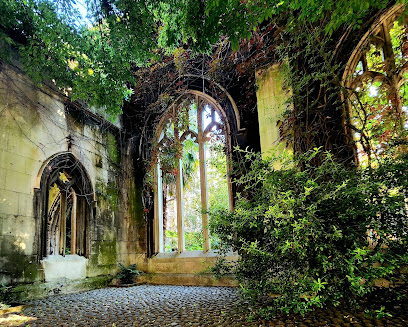
St Dunstan in the East Church Garden is a quiet City garden set among the ruins of a Grade I listed church. Christopher Wren’s surviving tower and steeple frame the greenery, making this tucked-away spot suitable for a short break, a peaceful sit-down or photography amid historic remains.
Stands out: Garden setting within the ruins of a Grade I listed church
Quiet breaks in the middle of the CityVisitors interested in historic ruins and photographySt Dunstan's Hill, London EC3R 5DD, United KingdomLesnes Abbey
Lesnes Abbey is a historical site set within Lesnes Abbey Park, where visitors can explore abbey ruins, Monk’s Garden, woodland and information signs. Its green setting also suits walking, hiking, running, dog walking and family outings, with a café, snacks, coffee and toilet facilities nearby. The site is about a 10-minute walk from Abbey Wood station.
Stands out: Abbey ruins combined with woodland, gardens and a fossil excavation area
Exploring London history in a spacious parkland settingWalks, hikes, dog walking and family visitsAbbey Rd, London SE2 0AX, United KingdomRoman Wall Ruins
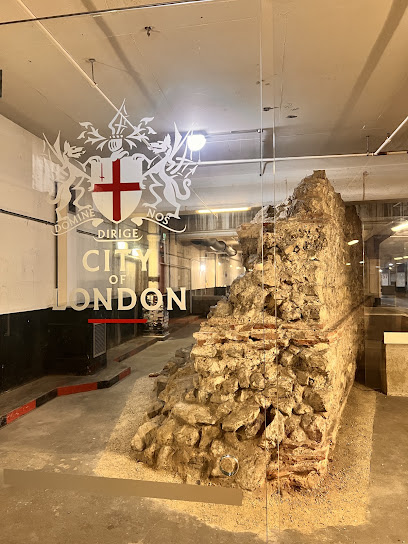
Roman Wall Ruins preserve a section of Roman wall in an unexpectedly tucked-away setting beneath a car park. The remains suit visitors who enjoy discovering lesser-known historical sites and following London’s Roman history beyond the main attractions. Finding the ruins involves an unassuming entrance, stairs and a route through the car park.
Stands out: Roman remains preserved beneath a car park
History enthusiasts exploring London’s Roman remainsVisitors who enjoy hidden and unconventional landmarksBasement, Roman Wall Ruins, 1 Fore St Ave, London EC2Y 9DT, United KingdomBarking Abbey ruins
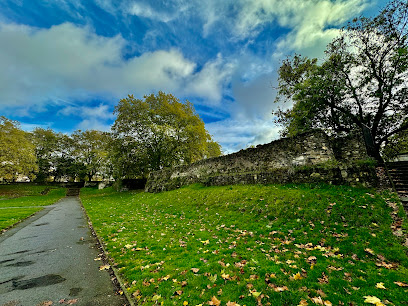
Barking Abbey ruins is a historical landmark set within a small green space in busy Barking. The site combines preserved abbey foundations and scenic ruins with benches, meadows, trees and areas for relaxing in nature. It suits visitors interested in local history who also want an informal outdoor stop.
Stands out: Historic abbey remains within a green urban setting
A quiet break among greenery and ruinsExploring Barking’s historic foundationsBarking Abbey Ruins, Barking IG11 8AS, United KingdomLondon's Roman Amphitheatre
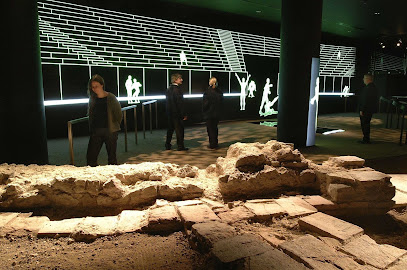
London’s Roman Amphitheatre preserves underground remains of a Roman amphitheatre dating from the 2nd century CE, including a foundation wall and drain. The compact exhibition presents artefacts and information about Roman London and is paired with Guildhall Art Gallery. Free entry, lockers and toilet facilities make it a practical short stop for visitors exploring the City’s history.
Stands out: Presents Roman amphitheatre ruins beneath modern London
Visitors interested in Roman London and archaeological remainsTravellers looking for a brief, free cultural visit in the CityGuildhall Yard, London EC2V 5AE, United KingdomLondon Mithraeum | Bloomberg SPACE
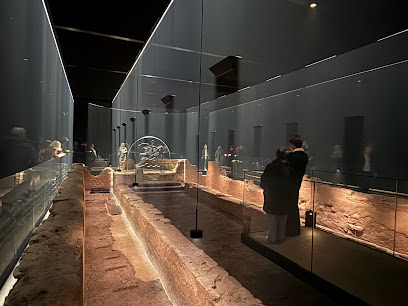
London Mithraeum | Bloomberg SPACE presents the archaeological remains of a temple dedicated to the Roman god Mithras. Its underground setting combines the ruins with a light-and-audio experience, artefacts and interactive displays about Roman London. It suits visitors interested in archaeology and compact city attractions, with a visit taking roughly 30 to 60 minutes.
Stands out: The temple ruins are presented through a light-and-audio experience
Visitors interested in Roman history and archaeologyTravellers looking for a compact central London attractionPeople who enjoy immersive museum displays12 Walbrook, London EC4N 8AA, United KingdomLondon Wall
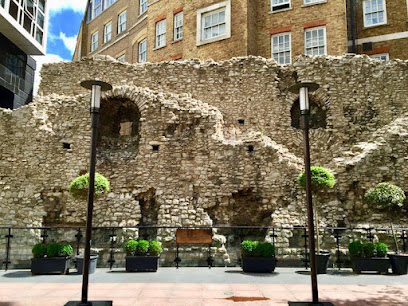
London Wall is a historical landmark tracing a route from the Tower of London towards the Museum of London, with surviving Roman wall ruins and other historic points along the way. The section near Tower Hill offers a particularly clear view of Roman masonry, while plaques and interpretive signs help explain its significance. It suits visitors exploring London’s Roman history on foot.
Stands out: Roman wall ruins appear alongside later historic landmarks
Walking routes focused on Roman LondonVisitors combining history with a Tower of London visitTower Hill, London EC3N 4DJ, United KingdomBillingsgate Roman House & Baths
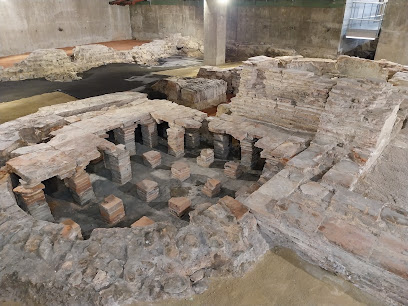
Billingsgate Roman House & Baths is a historical museum site preserving Roman bathhouse and house ruins beneath London’s streets. It suits visitors interested in Roman London, with guided tours bringing the archaeology and the city’s ancient history into context.
Stands out: The remains lie beneath an office block in the modern City
Visitors interested in Roman London and archaeologyPeople looking for a guided historical experience101 Lower Thames St, London EC3R 6DL, United KingdomRoman Fort Ruins
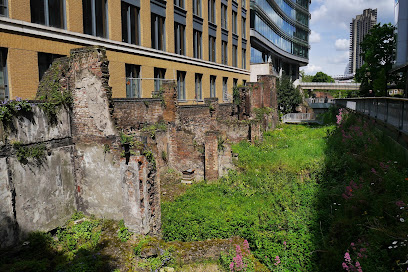
Roman Fort Ruins is a historical landmark preserving fragments of London’s Roman defensive wall near the Museum of London. It suits visitors interested in Roman history, archaeology and the origins of Londinium. Information panels and see-through signs explain the remains and their context, making the compact site an informative stop amid the city’s modern office buildings.
Stands out: Roman and later medieval sections of the city wall remain visible
Visitors interested in Roman history and archaeologyA short, informative historical stop in central LondonPeople exploring lesser-known remnants of Londinium3 Noble St, Barbican, London EC2V 7EE, United KingdomWinchester Palace
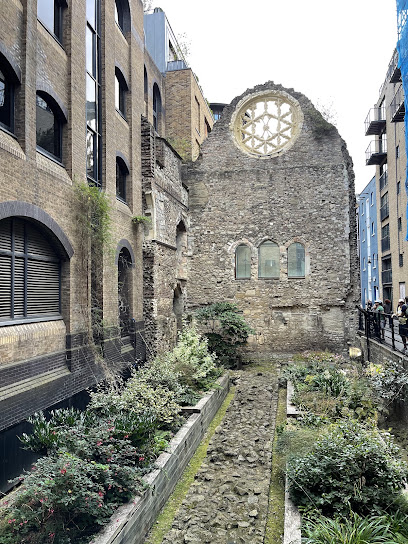
Winchester Palace is a heritage site preserving the riverside remains of a 13th-century bishops’ complex. The ruins include parts of the great hall, prison and brewhouse, alongside a medieval-style garden, arches, basement remains and a large window. Free to visit, it suits a quiet historical stop while exploring the South Bank near other attractions.
Stands out: Preserves part of the former Bishops of Winchester complex
Visitors interested in medieval London and British historyWalkers exploring the South Bank and riverside attractionsPeople seeking a brief, free heritage visitPickfords Wharf, London SE1 9DN, United Kingdom

Each number on the map is a business in the list.
For businesses
Run a business?
What these London ruins offer
- Roman archaeology displaysLondon’s Roman Amphitheatre and the Mithraeum present remains, artefacts and information about Roman London in compact indoor settings.
- Open-air Roman wallsLondon Wall, Roman Fort Ruins and Roman Wall Ruins make it possible to see surviving masonry within the modern city.
- Medieval heritage remainsWinchester Palace, Lesnes Abbey and Barking Abbey ruins focus on abbey, palace and ecclesiastical history rather than Roman London.
- Ruins in gardensSt Dunstan in the East and Barking Abbey combine historic remains with greenery, making them suitable for a pause as well as photography.
- Guided archaeological visitsBillingsgate Roman House & Baths is designed around guided tours, with advance booking required.
- Interpretation for self-guided walksPlaques, information panels and see-through signs at several wall sites help place the remains in London’s wider history.
How to choose a London ruins visit
- Start with the periodChoose Roman sites for Londinium, walls and archaeology, or select Winchester Palace, Lesnes Abbey or Barking Abbey for medieval remains.
- Allow for the scaleSome exhibitions and compact ruins can take under 30 minutes, while a wall walk or park setting supports a longer outing.
- Check the formatDecide between an indoor exhibition, an open-air landmark, a garden or a guided-only archaeological visit.
- Plan around access notesThe Mithraeum involves stairs, Billingsgate requires advance booking, and the tucked-away Roman Wall Ruins also involve stairs.
- Pair nearby interestsThe Roman Amphitheatre connects with Guildhall Art Gallery, while South Bank and Abbey Wood settings offer different wider walking contexts.
Frequently asked questions
Which London ruins are best for Roman history?
London’s Roman Amphitheatre, London Mithraeum, London Wall, Roman Fort Ruins and Billingsgate Roman House & Baths all focus on Roman London, with different combinations of remains, artefacts, interpretation and tours.
Are any of these ruins free to visit?
The supplied information describes free entry for London’s Roman Amphitheatre, Winchester Palace and the gardens at Stephens House & Gardens; check current arrangements before travelling.
Which site suits a short visit?
London’s Roman Amphitheatre is a compact exhibition that can take less than 30 minutes, while Roman Fort Ruins can be seen in under 10 minutes.
Do any London ruins require booking?
Advance booking is recommended for the Mithraeum, and Billingsgate Roman House & Baths requires advance booking because visits are by tour only.